
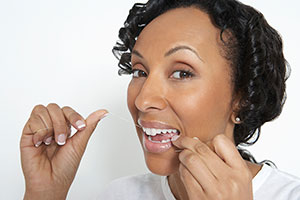
We all know that we brush and floss our teeth to remove plaque, keep our gums healthy and prevent cavities, but do we really know what plaque is?
March 16, 2020
We all know that we brush and floss our teeth to remove plaque, keep our gums healthy and prevent cavities, but do we really know what plaque is?
March 9, 2020
Fluoride works by strengthening the enamel of your teeth (which is the outer layer of your teeth) to prevent the penetration of oral bacteria and acids. Fluoride is a naturally occurring mineral in the earth and is in some areas naturally occurring in water. In some municipalities, fluoride is added to the water in around 0.7 ppm (parts per million) to help reduce cavities in the population. Fluoride can also be administered topically in the form of toothpaste, mouthwash and topical applications at your dental office. Fluoride administered in office may consist of mouth rinse, fluoride gel, varnish or foam.
March 2, 2020
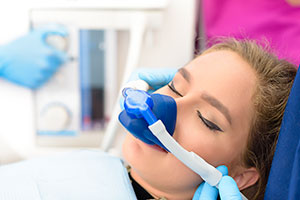
Laughing gas is the layman’s terms for nitrous oxide. It is commonly used in dental offices to reduce stress, anxiety and pain for patients during dental procedures. It is a colourless and odourless gas that is inhaled through the nose for a determined amount of time during the procedure.
February 24, 2020
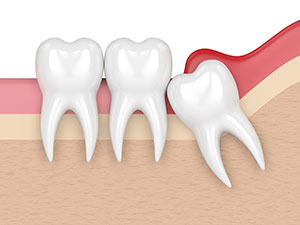
Pericoronitis is the inflammation of the tissue that is partially covering a partially erupted tooth in the mouth. Often it occurs with partially erupted wisdom teeth that don’t have space to erupt into the mouth fully, but sometimes it can even happen with the eruption of the first or second molars. The gum tissue that partially covers an erupting tooth is called an operculum, and the inflammation of that tissue is called pericoronitis. Pericoronitis is diagnosed based on signs and symptoms gathered during a clinical analysis, as well as a potential x-ray taken to rule out any other causes.
February 18, 2020
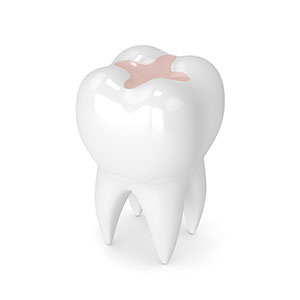
Although dental decay has been steadily decreasing in Canada for the past 40 years, dental fillings are still a very common and essential part of dentistry.
A dental filling is used to replace tooth structure lost due to cavity or a broken tooth. Your dentist has to remove the decay and prepare the tooth before placing the dental filling. Dental fillings allow for a damaged tooth to be returned to its original shape and function.
February 10, 2020

“Gum disease” is an umbrella term that encompasses all conditions related to the gums. Gum disease begins with gingivitis and escalates to periodontitis.
February 3, 2020

These are typically both involuntary functions of the jaw that consist of the jaws biting together with force (clenching) and possibly moving back and forth (grinding.) Both clenching and grinding often occur at night but may occur during the day during stressful periods. If done during the day, it is crucial to notice when these habits are happening and try to stop them. If they occur at night, a nightguard may be useful to prevent damage to the teeth.
January 27, 2020

Dental braces are used to straighten your teeth and align your bite to give you that perfect smile. Dental braces also help to improve the function of your teeth by aligning your bite, which reduces the chance of wear, chipping of teeth and gum recession. Dental braces can be tricky to clean, but it is crucial to make sure to keep your teeth and gums healthy while wearing dental braces.
January 20, 2020
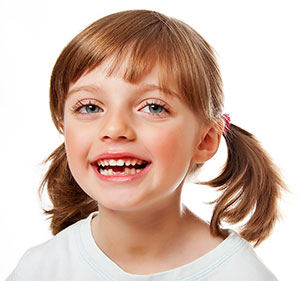
Both a soother and finger or thumb sucking both cause suction and put pressure on the jaw, which is fragile while still growing. These habits can both cause the palate to rise and the upper jaw to become narrow, causing issues with the bite and the way the teeth close together. Often these habits at an early age can lead to the need for braces later on. Try to remove the soother around two years old and stop the finger/thumb sucking habit as soon as you notice it.
January 13, 2020
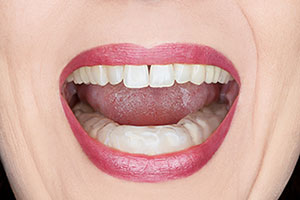
A nightguard is a mouth guard used overnight to protect your teeth, jawbones and jaw joints from the wear and tear from nighttime grinding and clenching. The official name for these habits is called “bruxism,” and it affects many more people than you would think. Bruxism is considered a sleep movement disorder. A nightguard is a transparent oral appliance that is made to fit your teeth. It may cover all or a portion of your teeth, depending on the type. They can also be fabricated to be worn on the top or bottom.